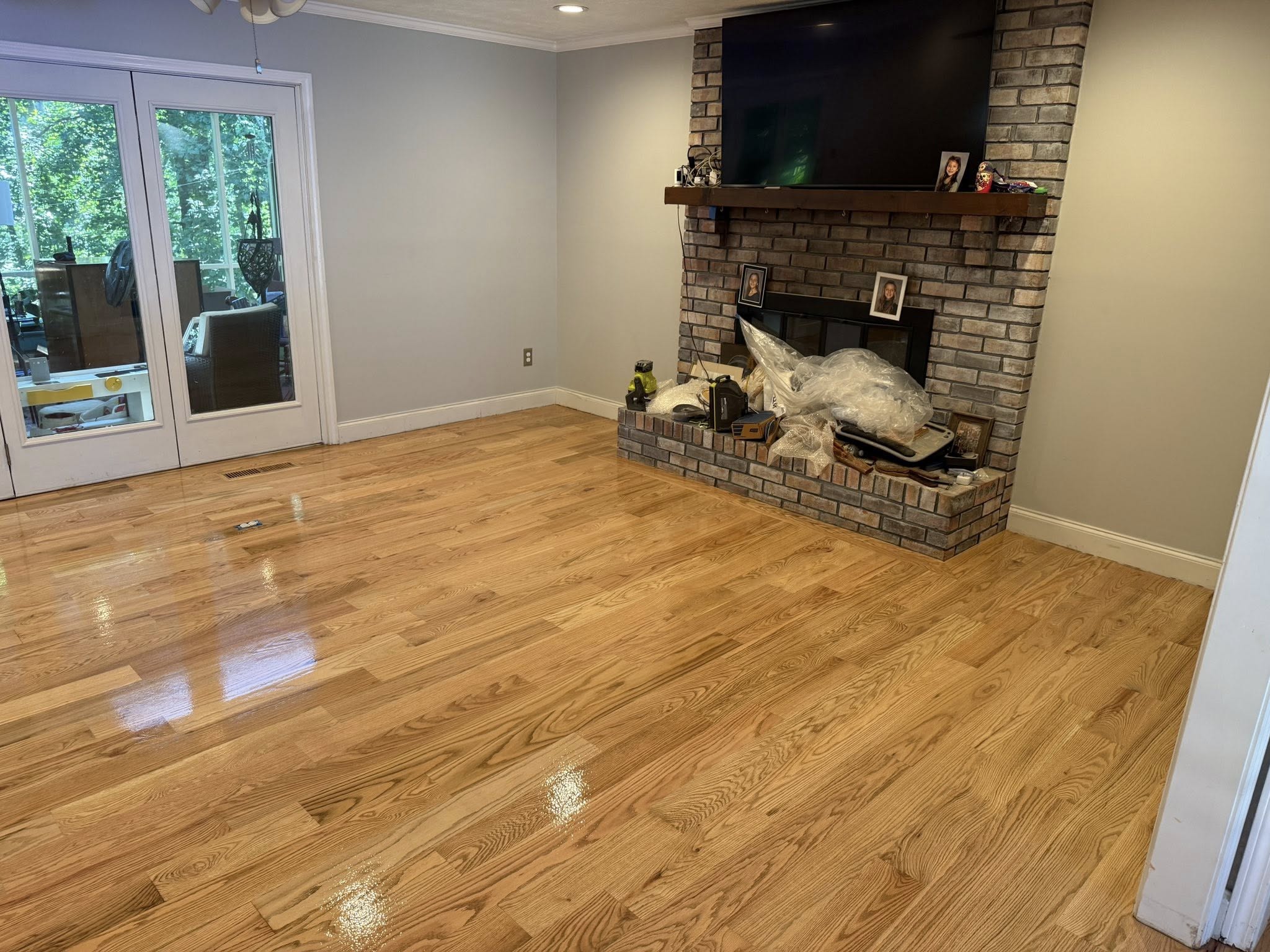
Choosing Between Solid and Engineered Hardwood: What’s Best for Your Home? Jan 31, 2026
Solid hardwood flooring is crafted from a single piece of wood, usually three-quarters of an inch thick. Because of its thickness, solid hardwood can be sanded and refinished multiple times over its lifespan, allowing it to look new for many years. This type of flooring is ideal if you love the feel and authenticity of pure, natural wood underfoot. However, solid hardwood is sensitive to environmental changes, expanding and contracting with varying levels of humidity and temperature. Thus, it might not be suitable for below-grade levels like basements or areas with high humidity.
On the other hand, engineered hardwood flooring consists of multiple layers. The top layer is real wood, providing the natural appearance and texture of hardwood. Beneath it, layers of plywood or high-density fiberboard contribute to the flooring's strength. This layered construction makes engineered hardwood less susceptible to moisture and temperature changes. It's an excellent option for basements, kitchens, and bathrooms where moisture levels can fluctuate. While still refinishing possible, engineered wood can only be sanded a couple of times before hitting the underlying layers, depending on the top layer's thickness.
When choosing between solid and engineered hardwood, consider the location in your home where it will be installed. If you're planning to install flooring over radiant heating or in areas like basements or kitchens, engineered hardwood's resistance to moisture and temperature changes makes it the practical choice. In contrast, if you're renovating a living room or bedroom and desire a traditional, high-end finish, solid hardwood's authenticity and refinishing ability might make it the best choice.
Furthermore, consider your long-term flooring plans. If you anticipate needing to refinish your floors several times over decades, solid hardwood offers more longevity in this aspect. However, if you're more concerned with immediate budget constraints and installation flexibility, engineered hardwood generally presents a more cost-effective solution with a simpler installation process.
Maintenance is another essential consideration. Both flooring types require regular cleaning and care to maintain their beauty. Solid hardwood, however, may demand keen attention to avoid scratches and dents, which can affect its appearance. Engineered hardwood, with its strong core, often withstands daily wear better, making it a practical choice for households with pets or young children.
As you weigh your options, be sure to consult the professionals at Hardwood Renovations. Our team can provide personal guidance tailored to your specific needs, ensuring you select the hardwood that complements your home’s style and meets your lifestyle demands. Visit our showroom to explore a wide variety of solid and engineered hardwood flooring options.
Ultimately, the decision between solid and engineered hardwood flooring should reflect your personal preferences, budget, and the specific conditions of your home. Both varieties offer unique benefits that can enhance your home's beauty, comfort, and value. With informed choices and expert guidance, you can enjoy the elegance and warmth of hardwood in your home for many years to come.
/filters:no_upscale()/filters:format(webp)/media/4d566776-fbde-406f-8280-c0cae791e888.jpeg)