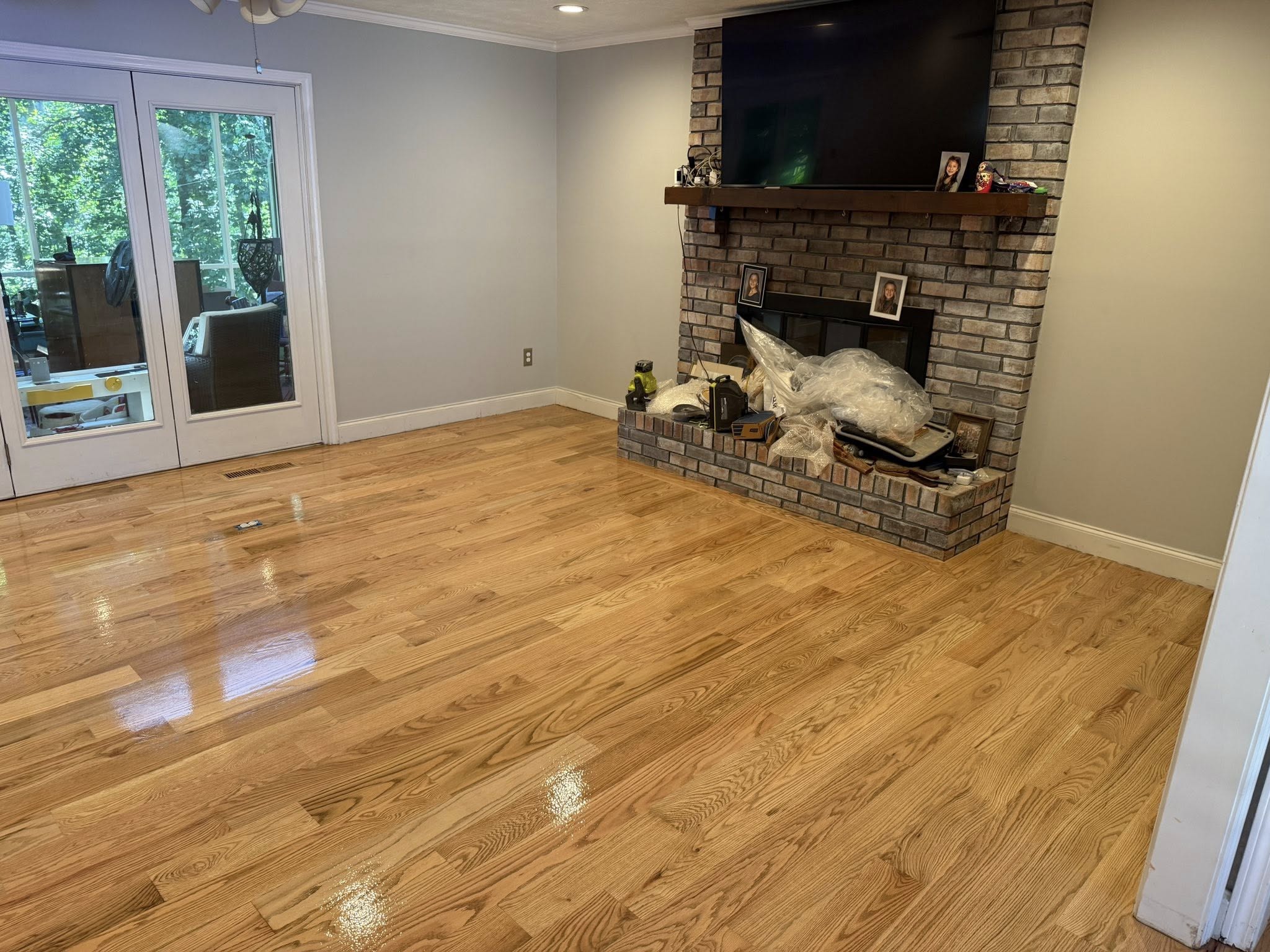
Damp to Dazzling: Why Humidity Control is Essential for Hardwood Floors Jan 30, 2026
Hardwood floors are a popular choice for their timeless elegance and durability. However, wood is a natural material subject to expansion and contraction due to moisture levels in the air. When humidity levels rise, particularly during summer months, hardwood floors can absorb moisture and expand. This expansion can lead to several issues such as swelling, warping, and even cupping. Conversely, during cooler months, or in homes with excessive heating, dry air can cause floors to shrink, creating gaps between the planks.
One might wonder how to effectively manage humidity to protect the investment made in hardwood flooring. Achieving a stable indoor environment is essential. The ideal indoor humidity level for hardwood floors lies between 30% and 50%. Investing in a quality hygrometer can be a smart step. This handy device monitors indoor humidity levels, allowing you to make proactive adjustments. If levels are consistently high, a dehumidifier can help remove excess moisture from the air. On the flip side, during drier months, humidifiers can add necessary moisture, preventing the floorboards from drying out.
Seasonal changes can significantly influence the humidity levels in your home, impacting your hardwood floors. In spring and summer, increased humidity might encourage the use of air conditioning, which not only cools your home but also helps reduce indoor moisture levels. During colder months, utilizing a humidifier can counteract the drying effects of heating systems.
It's also essential to consider ventilation. Proper airflow can mitigate the effects of humidity on your hardwood floors. Regularly opening windows or using ceiling fans can enhance air circulation, preventing moisture buildup on the floor's surface. Installing efficient ventilation systems in areas prone to high moisture, like bathrooms and kitchens, can significantly contribute to maintaining a balanced home atmosphere.
Beyond humidity control, consider the broader benefits of maintaining a well-regulated environment. Consistently harmful humidity levels can affect more than just your floors. It can impact your family's health and comfort, the condition of your furniture, and even your utility bills. Crafting a thorough approach to control humidity ensures your home remains a haven of comfort and wellbeing, in addition to preserving the elegance and value of your hardwood investment.
If you're unsure how to start implementing humidity control, seeking professional advice can be invaluable. Hardwood Renovations recommends consulting with flooring specialists who can provide personalized solutions suited to your specific home conditions. From expert installation to ongoing maintenance tips, our team is dedicated to ensuring your hardwood floors look stunning year after year.
In conclusion, the journey from damp to dazzling begins with understanding and addressing the impact of humidity on hardwood floors. By monitoring and managing humidity levels, homeowners can prevent common flooring problems and preserve the beauty of their investments. With effective humidity control, your hardwood floors will not only endure but shine brilliantly, offering you the elegance and warmth that only quality wood flooring can provide. Embrace these practices, and let your floors become the dazzling statement piece they deserve to be.
/filters:no_upscale()/filters:format(webp)/media/4d566776-fbde-406f-8280-c0cae791e888.jpeg)