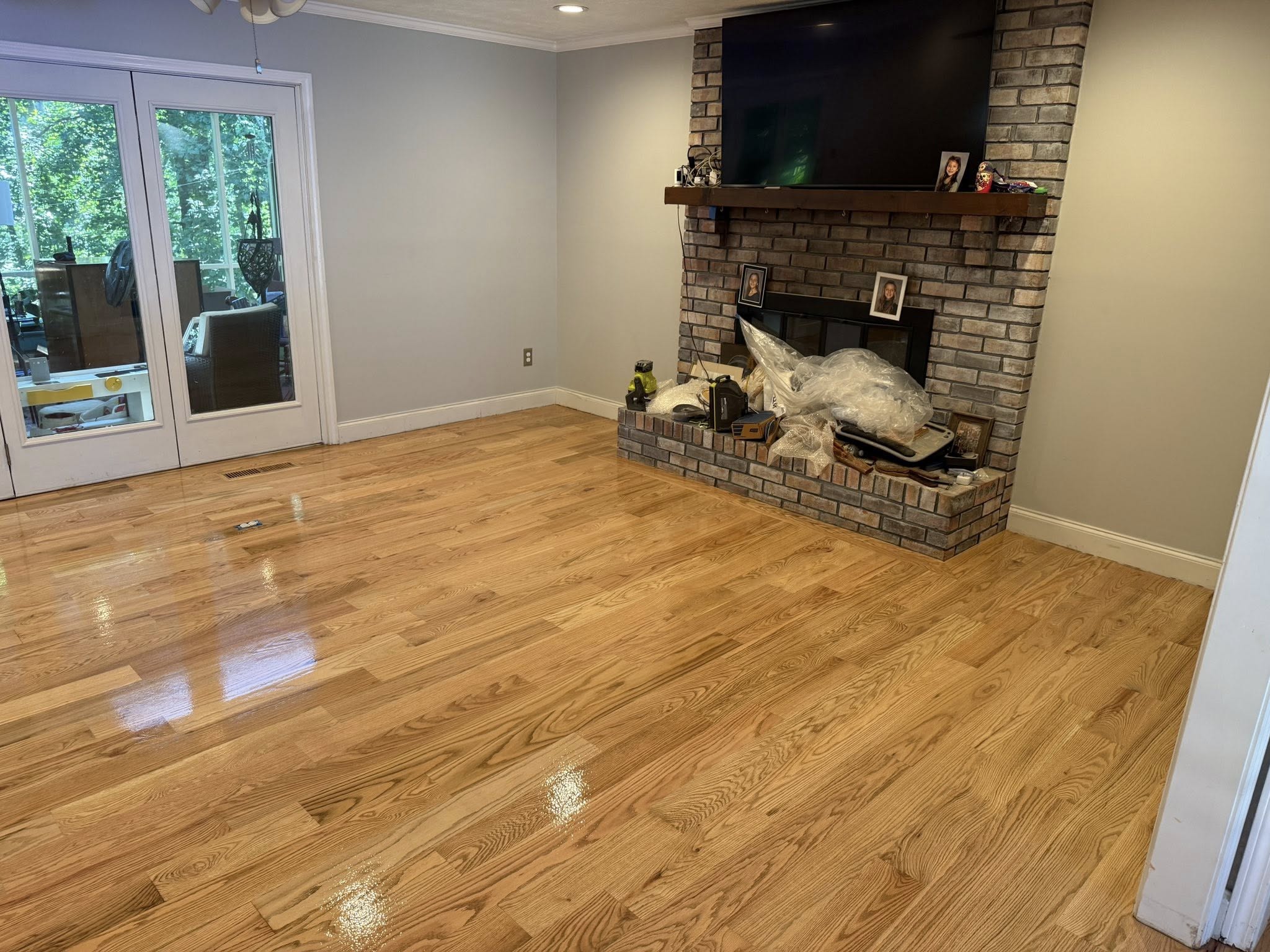
Evaluating the Environmental Impact of Your Hardwood Floor Choices Mar 29, 2026
Firstly, let's explore the importance of sustainable wood sourcing. The origin of the hardwood plays a crucial role in its environmental impact. Opt for wood that is harvested from responsibly managed forests. This ensures that the ecological balance is maintained and that deforestation is minimized. The Forest Stewardship Council (FSC) certification is a reliable indicator that your hardwood is sourced sustainably. By choosing FSC-certified products, you're supporting responsible forest management that protects biodiversity and benefits local communities.
Another key factor to consider is the type of wood used. Some species grow faster than others, making them a more sustainable option. For example, bamboo, while not a traditional hardwood, is an excellent alternative due to its rapid growth and renewability. It regenerates quickly after harvesting, reducing the impact on the environment. Similarly, woods like cork are also excellent choices as they are harvested from the bark of trees that naturally regrow, thus preserving the tree itself.
Additionally, understanding the manufacturing process of hardwood floors can further aid in making an informed decision. Choose manufacturers who employ eco-friendly practices such as using non-toxic adhesives and finishes. These manufacturers often use production methods that minimize waste and energy consumption, further reducing the overall environmental footprint of the flooring. Ask about the production practices and seek out companies with eco-certifications that validate their commitment to sustainability.
Transport and installation also contribute to the environmental impact of hardwood flooring. Opt for locally sourced materials whenever possible to reduce the transportation emissions associated with shipping. Similarly, installation practices can be eco-oriented. Use adhesives and finishes that are low in volatile organic compounds (VOCs) to maintain indoor air quality. There are also installation methods that minimize waste, such as floating installation techniques that do not require nails or glue, which can be more eco-friendly options.
Once installed, the care and maintenance of your hardwood floor can influence its ecological footprint. Hardwood floors are known for their longevity, but maintaining them properly is key to maximizing their life span. Use natural and eco-friendly cleaning products that do not harm the environment or your health. Regular maintenance can prevent early replacements and the associated environmental costs.
In conclusion, evaluating the environmental impact of your hardwood floor choices doesn't just contribute to a healthier planet but also ensures that you’re investing in a sustainable home. By considering factors such as sustainable sourcing, eco-friendly manufacturing, local materials, and proper maintenance, you can make choices that benefit both your home and the environment. Hardwood Renovations is committed to helping you choose the most environmentally responsible options for your flooring needs, providing expertise and options that align with your values.
Choosing eco-friendly flooring is more than just a trend; it's a step toward preserving our planet for future generations. Before making your next flooring decision, take into account these factors to ensure your home is as sustainable as it is stylish.
/filters:no_upscale()/filters:format(webp)/media/4d566776-fbde-406f-8280-c0cae791e888.jpeg)