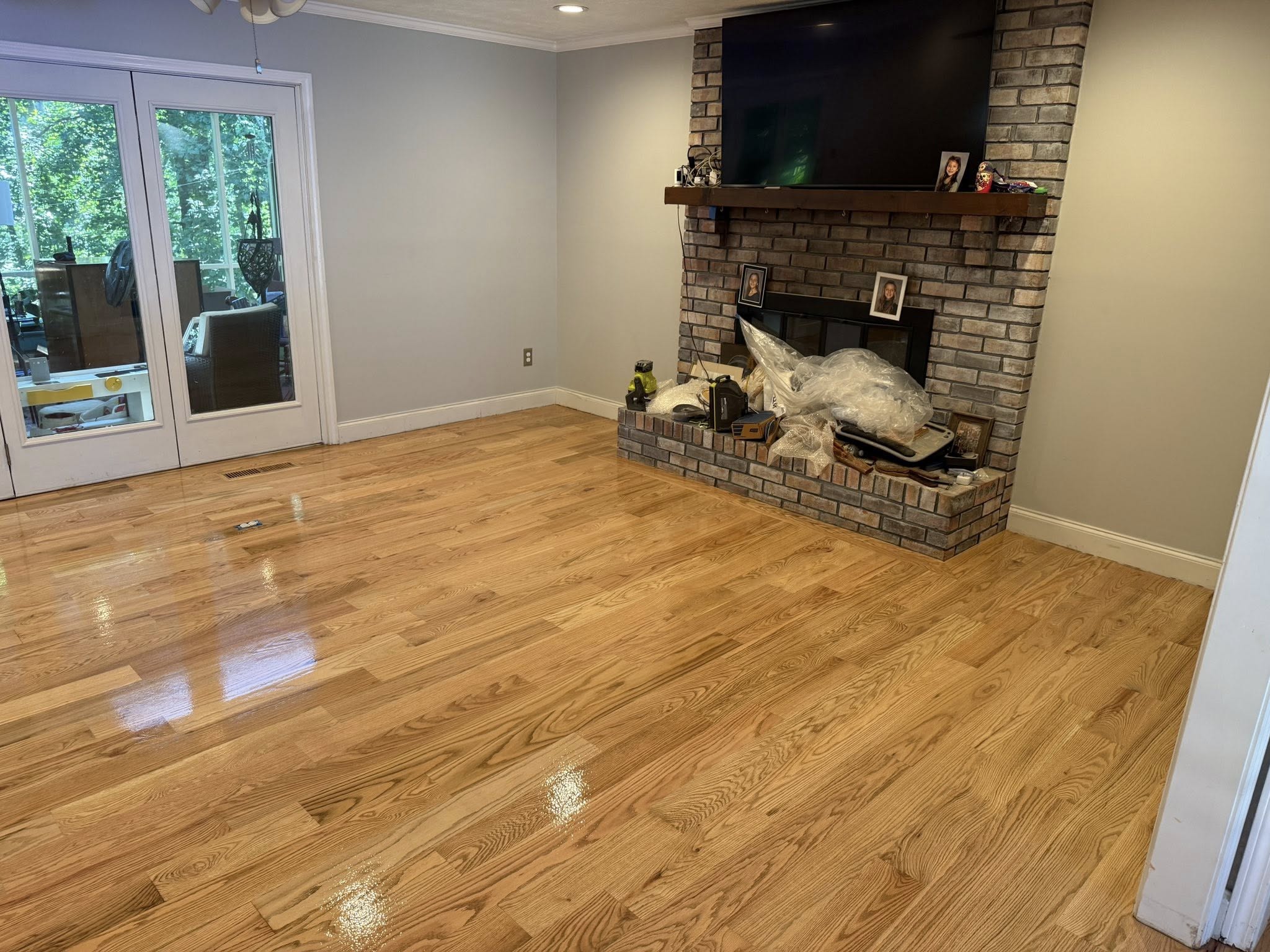
Sustainable Design: How Hardwood Floors Contribute to Green Building Practices Jun 26, 2026
To begin with, hardwood floors are crafted from natural materials, making them an environmentally preferrable choice compared to synthetic options. Sourcing hardwood from sustainably managed forests ensures that the ecosystem remains in balance; trees are harvested in a way that does not disrupt the surrounding environment or deplete natural resources. Certification from organizations such as the Forest Stewardship Council (FSC) guarantees that the wood used in your flooring contributes to responsible forest management.
In addition to the responsible sourcing of materials, hardwood floors boast impressive longevity. This durability means that they require less frequent replacement compared to alternatives such as carpet or vinyl, which contribute to landfill waste as they are disposed of more often. The long lifespan of hardwood floors is a testament to their sustainability. When cared for properly, hardwood can last for decades, or even centuries, thus minimizing the need for new material production and reducing your overall environmental footprint.
Moreover, hardwood floors support indoor air quality. Unlike carpeting, which can trap dust, allergens, and other pollutants, hardwood provides a smooth surface that is easy to clean and does not harbor unwanted contaminants. This quality not only promotes a healthier living environment but also aligns with green building standards that prioritize air quality and occupant well-being.
Another advantage of hardwood flooring in green building practice is its energy efficiency. Hardwood offers natural insulation properties that help maintain consistent indoor temperatures. By installing hardwood floors, homeowners can potentially reduce their reliance on heating and cooling systems, leading to lower energy consumption and reduced utility costs. This energy efficiency contributes not only to sustainable living but also to significant savings over time.
The versatility of hardwood floors also plays a crucial role in sustainable design practices. From a wide range of colors, grains, and finishes, hardwood flooring can complement any room design, whether you are aiming for a modern, rustic, or traditional look. This adaptability means that hardwood floors are less likely to become outdated and thus, less prone to being replaced frequently.
Hardwood Renovations is committed to helping clients achieve their sustainable design goals by offering a diverse selection of high-quality, responsibly sourced hardwood options. Our expertise in both the aesthetic and ecological aspects of hardwood ensures that your flooring choices will contribute positively to the environment while enhancing the beauty of your home.
In conclusion, incorporating hardwood floors into your home is not only an impactful choice for creating an aesthetically pleasing environment but also a significant step toward sustainable living. As a renewable, durable, and energy-efficient flooring option, hardwood plays a vital role in green building practices. Making such an environmentally conscious decision today will benefit both current and future generations, aligning individual habitat goals with greater planetary stewardship. Embracing hardwood flooring is not only a style statement but a commitment to a more sustainable way of living and building.
/filters:no_upscale()/filters:format(webp)/media/4d566776-fbde-406f-8280-c0cae791e888.jpeg)