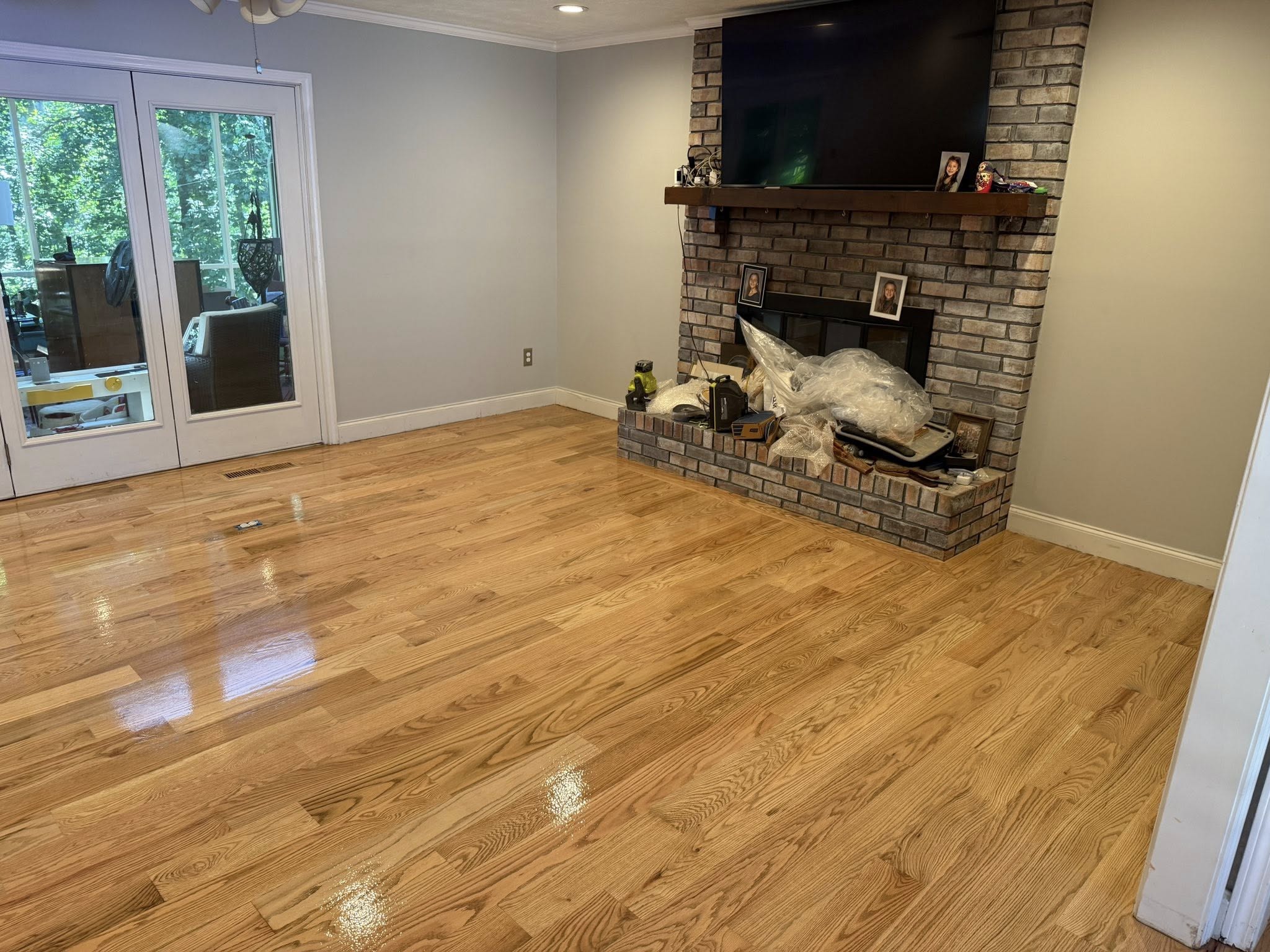
The Art of Acoustic Design: Incorporating Hardwood Floors for Better Sound Quality Jun 20, 2026
Hardwood floors are renowned for their aesthetic appeal and durability, but they also offer acoustic benefits when incorporated strategically into interior spaces. When designed correctly, wood floors can enhance sound clarity and reduce unwanted noise, making them an integral part of any acoustic design plan.
One of the primary ways hardwood floors contribute to better acoustics is through their natural ability to absorb sound. Wood has a unique cellular structure that allows it to mitigate sound waves, reducing echo and reverberation within a room. This can be particularly beneficial in smaller spaces or rooms where sound travels quickly, such as music rooms or home theaters.
Moreover, the choice of wood type, thickness, and finish can significantly impact sound quality. Different species of wood have varying densities which affect their acoustic properties. For instance, oak and maple are dense woods that can help minimize sound transmission and improve overall acoustics. Opting for thicker boards can further enhance sound absorption, providing a richer and clearer audio experience.
To maximize the acoustic benefits of hardwood floors, proper installation is key. Floating floors, which are not directly adhered to the subfloor, offer flexibility that can help in controlling sound vibrations. Additionally, incorporating underlayments like cork or rubber can further enhance sound insulation, preventing noise from traveling between floors and creating a quieter environment.
In rooms where sound quality is paramount, like a home recording studio or a living room with a high-quality audio system, strategic placement of rugs or area carpets can complement the acoustics provided by hardwood floors. These coverings help manage sound without dampening the aesthetic appeal of the wood, offering a balanced approach to acoustic design.
Another advantage of hardwood floors is their versatility in integrating with other design elements. By pairing them with sound-absorbing materials on walls and ceilings, such as acoustic panels or soft furnishings, you can create a harmonious acoustic environment that enhances the sound quality of any room.
As with any design choice, considering the specific needs of the space and the activities it will host is crucial. Hardwood Renovations is dedicated to helping clients choose the flooring options that best suit their acoustic goals, ensuring that every room not only looks exceptional but sounds incredible too.
To conclude, incorporating hardwood floors into your acoustic design plan can significantly enhance the sound quality of your space. Through proper selection, installation, and complementary design elements, you can create an environment that offers both aesthetic beauty and superb acoustic performance. By consulting with experienced professionals like Hardwood Renovations, you can ensure that your flooring choices contribute positively to the acoustics of your home or business, providing comfort and clarity in every sound that fills the room.
/filters:no_upscale()/filters:format(webp)/media/4d566776-fbde-406f-8280-c0cae791e888.jpeg)